 Analysis by Gamescozy
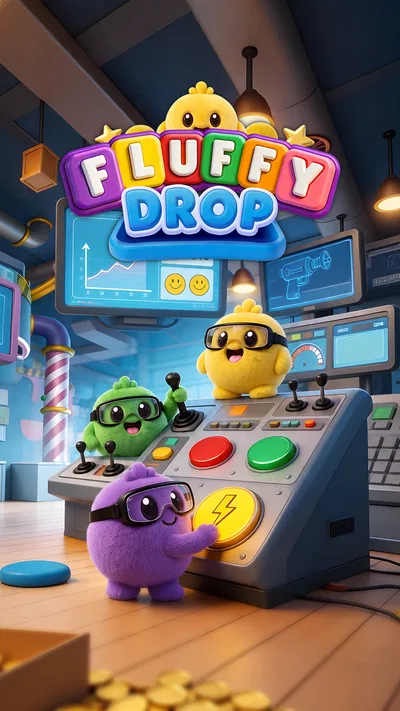
I like puzzle games that let me think at my own pace, so the “No Timer” part of Fluffy Drop immediately caught my attention. It is a free trivia game from UniRise Studio, with a cozy puzzle-adventure identity rather than the feel of a fast quiz show. That distinction matters: if you want relaxed play, it sounds appealing; if you expect a conventional question-and-answer trivia app, you may want to adjust your expectations before installing it.
A relaxed puzzle mood, not a race against the clock
The game’s name sets a clear expectation about pace. Without a timer pushing me to answer quickly, I can treat a session as a small mental break instead of a test of reflexes. That makes it easier to pick up between other tasks, or to play while winding down, when a countdown would feel more stressful than fun.
That slower rhythm is also a useful filter for deciding whether this is your kind of trivia. Players who enjoy pausing to consider an answer may appreciate the unhurried approach. Those who want head-to-head pressure, rapid-fire rounds, or a score built around speed may find the format too gentle. I would choose it for a calm solo moment, not as a substitute for a competitive quiz game.
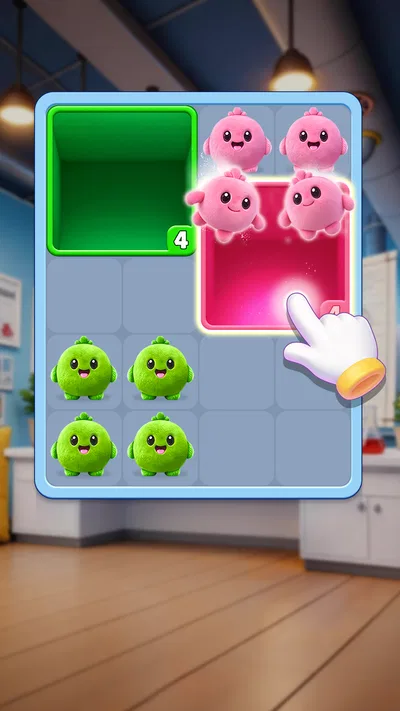
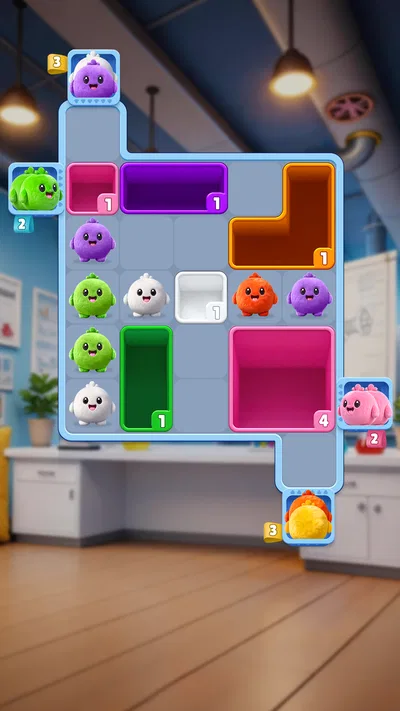
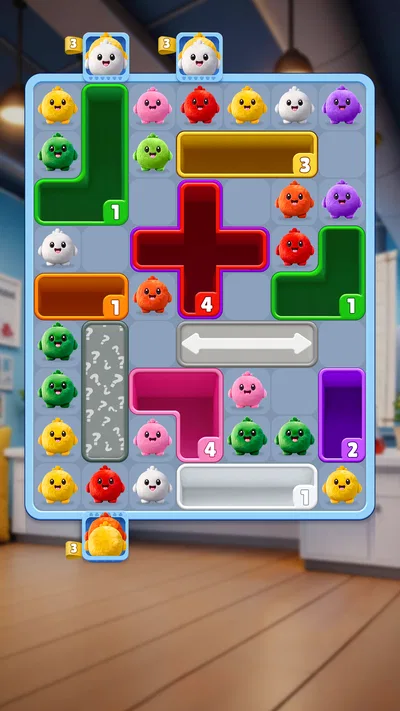
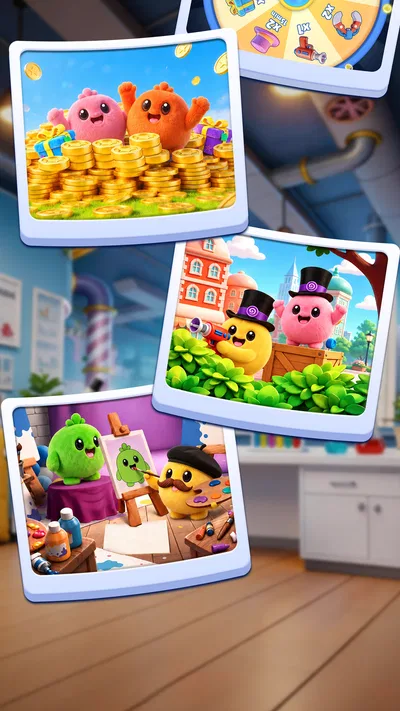
The cozy framing gives the experience a softer personality than trivia apps built around leaderboards and brisk question sets. It suggests that the appeal is not only getting answers right, but spending time in a puzzle-adventure setting. That can make a difference for someone who usually finds standard quiz interfaces plain or overly test-like. The trade-off is that the available description does not establish how much variety or progression the adventure contains, so I would avoid assuming it offers a large story or a particular puzzle system.
What free access does—and does not—tell you
You can start without paying: the game is listed as free, while optional in-app purchases range from $0.99 to $39.99 per item. I see that as a useful entry point, not proof that every part of the experience is free. The purchase range is broad, so before spending, I would check what a particular item provides and whether it solves a problem I have actually encountered in play.
That is the practical way to judge the price. Install it and see whether the pace, presentation, and puzzle-trivia blend suit you before considering any purchase. If the free experience already gives you the kind of quiet diversion you want, there is no reason to buy something simply because an option appears in the game. If a purchase is presented as a shortcut or convenience, decide whether waiting or playing at your own pace would be perfectly acceptable instead.
I would not treat the highest listed purchase amount as the cost of trying the game, nor would I assume that paying guarantees a better experience. The price of an individual item is not the same as the value it offers to a particular player. For a casual player, even a small purchase only makes sense if it adds something they personally enjoy; for someone unsure about the game, keeping the first session free is the sensible choice.
Where its value is strongest
The clearest value is in low-pressure access to a trivia-oriented puzzle game. With an average rating of 4.5 from around 19,000 ratings and more than 1 million installs, it has attracted a substantial audience. Those figures can help you gauge that it has found players, but they cannot tell you whether its exact tone or style will click for you. I would use them as context, then make the decision based on the game’s unhurried premise.
One everyday use case is a short break when you want something more engaging than scrolling but do not have the focus for a long session. A no-timer approach is well suited to that moment because it removes the need to keep pace with a clock. Another is playing when you are tired: if you prefer considering a puzzle at your own speed, the format may feel more welcoming than a timed quiz. These are reasons to try it, not promises about session length or specific modes.
There is also a useful way to approach it if you are playing with someone nearby. Rather than turning each question into a race, you could take turns thinking through an answer and compare reasoning. That makes the absence of time pressure a potential social advantage, particularly for mixed-age groups or friends who have different knowledge levels. The game is rated Everyone, which supports its general-audience positioning, though an age rating alone does not tell you what every player will find entertaining.
The trade-offs to weigh before installing
The biggest trade-off is that “trivia” can mean different things. Some players expect a broad bank of factual questions, category selection, score tracking, and repeatable quiz rounds. The game’s cozy puzzle-adventure description points toward a more blended experience, but it does not establish those conventional features. If your priority is practicing facts or competing on quiz scores, a dedicated trivia app may be a better match.
The lack of a timer is a benefit only if you like a measured pace. Players who enjoy urgency may find that it removes an important part of the challenge. Likewise, anyone looking for a demanding brain-training routine should not assume that a relaxed presentation means deep difficulty. I would try it with an open mind, then judge whether the puzzles actually hold my attention rather than relying on the genre label alone.
Another limitation is purchase uncertainty. The game is free to begin, but the listed item prices stretch from less than a dollar to nearly forty dollars. That range makes it especially important not to tap through a purchase prompt without reading what it covers. I would set a personal spending limit first, and treat any paid option as an optional extra rather than a necessary step to enjoy the basic idea.
It is also worth matching the game to the device you plan to use. The current version is 1.19.2, and the minimum operating-system requirement is 7.0. If your device meets that requirement, compatibility is less of a concern; if you are using an older or shared device, checking its system version before downloading can save time. The game was released on March 29, 2026, so its current version gives you a straightforward way to distinguish it from an older install if you revisit it later.
Who is likely to get the most out of it?
I would recommend giving it a try if you like trivia but dislike being hurried, or if you are curious about a softer puzzle-adventure presentation. It also makes sense for players who want a casual game they can approach without committing to a competitive session. Because entry is free, the easiest test is a short play session: notice whether the puzzle rhythm feels satisfying and whether the cozy tone adds something for you.
It is less suited to players who want a clearly defined quiz curriculum, rapid rounds, multiplayer competition, or an intense challenge. If your main goal is to memorize facts, a trivia app organized around subjects and repeat practice will likely be more useful. If your goal is a brisk contest with friends, a timed quiz game is the more natural choice. The point is not that those alternatives are better in general; they serve different moods and purposes.
UniRise Studio is the developer, and the game’s broad audience rating makes it approachable on paper. Still, I would not choose it solely because it is popular or free. The strongest reason to install it is the combination of a trivia angle and an unhurried puzzle-adventure feel. That combination is more specific—and more useful to consider—than expecting a standard quiz app with a different coat of paint.
My buy-or-skip verdict
My advice is to try it free and only pay if a clearly useful purchase earns its place. The no-timer premise is a real selling point for relaxed play, and the cozy framing may appeal if conventional trivia games feel too sharp or competitive. I would start without spending, decide whether the actual play suits my habits, and ignore purchases that do not add value I can name.
For me, Fluffy Drop is worth considering as a gentle break rather than as a replacement for every kind of trivia game. The audience figures and 4.5 average rating show that many players have engaged with it, but the best fit still depends on whether you enjoy taking your time. Skip it if you need speed, structured fact study, or competition; try it if you want a free, low-pressure way to see whether its puzzle-adventure approach makes trivia feel more inviting.